

This newsletter is supposed to be about “Epicurean Ethics for Modern Times.” So far, I’ve largely focused on establishing the core doctrines and presenting the most central ancient texts. But now it’s time to start interspersing some head-on, directly practicable counsel, casting scholarly snootiness aside to embrace the unambiguousness of self-help. After all, as Epicurus says:
We must not pretend to practice philosophy, but actually practice philosophy, for we are not seeking to appear healthy, but to be healthy. (Vatican Saying 54)
Practicing philosophy means not just reading, thinking, and talking, but also letting philosophy shape how we live the rest of our lives. One appropriately concrete topic is food—we have a fair amount of direct evidence concerning the Epicurean position on how to eat. What’s more, I think it is all perfectly reasonable advice that would continue to make people’s lives better, and which can be conveniently packaged in the preferred format of all simplistic life advice: The List.
1. Simple food is all you need for happiness.
First, the Epicureans clearly believe that not much in the way of culinary sophistication is necessary for a good and happy life. Bread provides most of the calories; cheese is a treat. Water provides most of the hydration; a daily glass of wine is a pleasure. We have a large body of evidence along these lines:1
When I live on bread and water, my body is full with pleasure, and I can spit in scorn upon the extravagant pleasures of luxury, not because of any inherent harm in them, but because of the complications that they bring. (Usener fragment 181)
Diocles in the third book of his Summary says [the Epicureans] lived in a most frugal and simple way. “With half a pint of wine,” he says, “they were satisfied, and water was their whole drink.” … And [Epicurus] himself says in his letters that he was satisfied with simple wheat bread. “Send me a little pot of cheese,” he says, “so that when I wish I may have a feast.” Such was the one who taught that pleasure is the end. (Diogenes Laertius 10.11)
Epicureanism allows for all kinds of minor variation in lifestyle depending on what is easy to obtain in your particular circumstances, but the baseline orientation of the school was towards greater frugality and simplicity than the societal average. Bread, cheese, water, and single servings of pleasantly relaxing beverages all continue to be excellent candidates for regular inclusion on an Epicurean menu. In contrast, the regular consumption of fancy coffee drinks, sweet juices and sodas, or status-signaling alcohol labels—for some imbibable examples—brings “complications,” including greater expense, worse health, and psychological dependence.
For most residents of the developed world, taking down the gastronomic complexity a few notches will improve hedonic outcomes—most of the pleasure comes from the simple satisfaction of appetite with wholesome food, while the pursuit of variety involves various minor sources of pain. The first step in making your diet more Epicurean, then, is undoubtedly this: cut out some complexity and enjoy the basics.
2. Sometimes, you should make your food very simple.
Now, there is a qualification to make regarding all the “bread and water” rhetoric. Bread and water is not all that the ancient Epicureans consumed—we’ve already mentioned wine and cheese, and Roman sources mention many more foods. According to Seneca, however, Epicurus did periodically restrict himself to a particularly minimal diet for a few days at a time:
Epicurus, the teacher of pleasure himself, used to have certain days during which he would do the bare minimum to quiet his hunger, in order to see whether his subsequent state would in fact fall short of a full and complete pleasure, and, if so, by how much it would fall short and whether that shortfall was worth the great efforts people often make to avert it. (Epistles 18.9)
It’s easy to get in a pattern of feeling like you need much more elaborate food than you really do. “What’s for breakfast? What’s for lunch? What’s for dinner?” we ask every few hours. To counteract such habitual insatiability, many different traditions have their own form of fasting practice and so does Epicureanism: quell your hunger, but do no more. For Epicurus, maybe what he chose was a little wheat bread or barley porridge. Maybe for you it’s a handful of almonds, a little fruit, or a few hard-boiled eggs.
Taking a little break from typical rich-world overeating for a day or two is probably a net good for many people’s health. Perhaps even more importantly, it reawakens your ability to enjoy even the simplest gratification of hunger.
3. The goal is greater pleasure: practice enjoyment.
The substance of these first two points may seem austere: “eat simply” and “sometimes eat very simply” may seem like denials of pleasure rather than what you would expect from a hedonistic philosophy. So it should be reiterated: the point is the enhancement of pleasure. Epicurus’ position is that if we pay attention, we will find that the great bulk of the pleasure of eating comes from the satisfaction of hunger and thirst. I think this is obviously true—go for a twenty-mile hike without food and the simplest meal will taste delicious. Practice recapturing that satisfaction.
Furthermore, those who are accustomed to the constant stimulus of novel food aren’t the ones who enjoy it most. They expect it, and they are disappointed when they don’t get it, or when it imperfectly meets their expectations. But you don’t want to be like the restaurant snobs:
You want to be like a kid getting a birthday cake or a guest at some other infrequent but traditional celebration. It’s the occasional special treat that feels special.
Accustom yourself, then, to a plain rather than an extravagant way of life: this is integral to health, makes a man resolute before the necessary duties of life, enables us to better enjoy occasional luxuries, and renders us fearless of misfortune… we are fully convinced that those who need extravagance the least enjoy it the most. (Letter to Menoeceus 130)
The art of hedonism is not to surround yourself with the greatest number of pleasurable objects. It is to derive the greatest amount of pleasure from the objects that surround you.
Let others prune their vines in Campania,
If that is where fortune has placed them.
Let the merchant drain his cup,
His dyes and linens converted to wine.

That prosperous man must be a favorite of the gods,
Sailing again and again on the Atlantic,
And returning unharmed. But I dine on olives,
With a salad of chicory and a few leaves of light mallow.(Horace, Odes 1.31)Enjoy what you have.
4. The good is easy to obtain—eat frugally
Eat simply. How simply? One useful yardstick is the financial cost of your food. Epicurus enjoyed having frugal eating competitions with Metrodorus:
In this spirit is [Epicurus’] boast that he is able to supply his day’s food for less than a single copper coin, while Metrodorus, who had not progressed as far, required the full coin’s value. (Seneca 18.9-15)
One way to implement such awareness is to see where your food spending falls relative to your local average. I live in the San Francisco Bay Area: if I’m adding up the data correctly, the average monthly spending on food and alcohol per person in my region is about $567. Given our greater than average wisdom and prudence, I think that Epicureans should be able to feed ourselves pleasurably for less than the average amount of money.
Ten years ago, when I was a single young man always riding a bike and living in a yurt, my food expenses hovered around $100 a month. Now I’ve become a respectably married citizen living in a real apartment and feel like we dine pretty extravagantly on around $300 per person per month. If your food spending is striking you as excessive and unphilosophical, the ways to reduce it are not rocket science:
Cook your own food the great majority of the time.
Avoid addictions (snack foods, soda, alcohol, Starbucks, etc.).
Shop at the cheaper stores, rather than the expensive ones.
Buy the foods that are on sale.
Use intrinsically cheap base foods like beans, rice, oats, and flour.
When you eat meat, favor pork and chicken over beef and lamb.
When you drink, favor the $1 bottles of beer and the $4 bottles of wine.
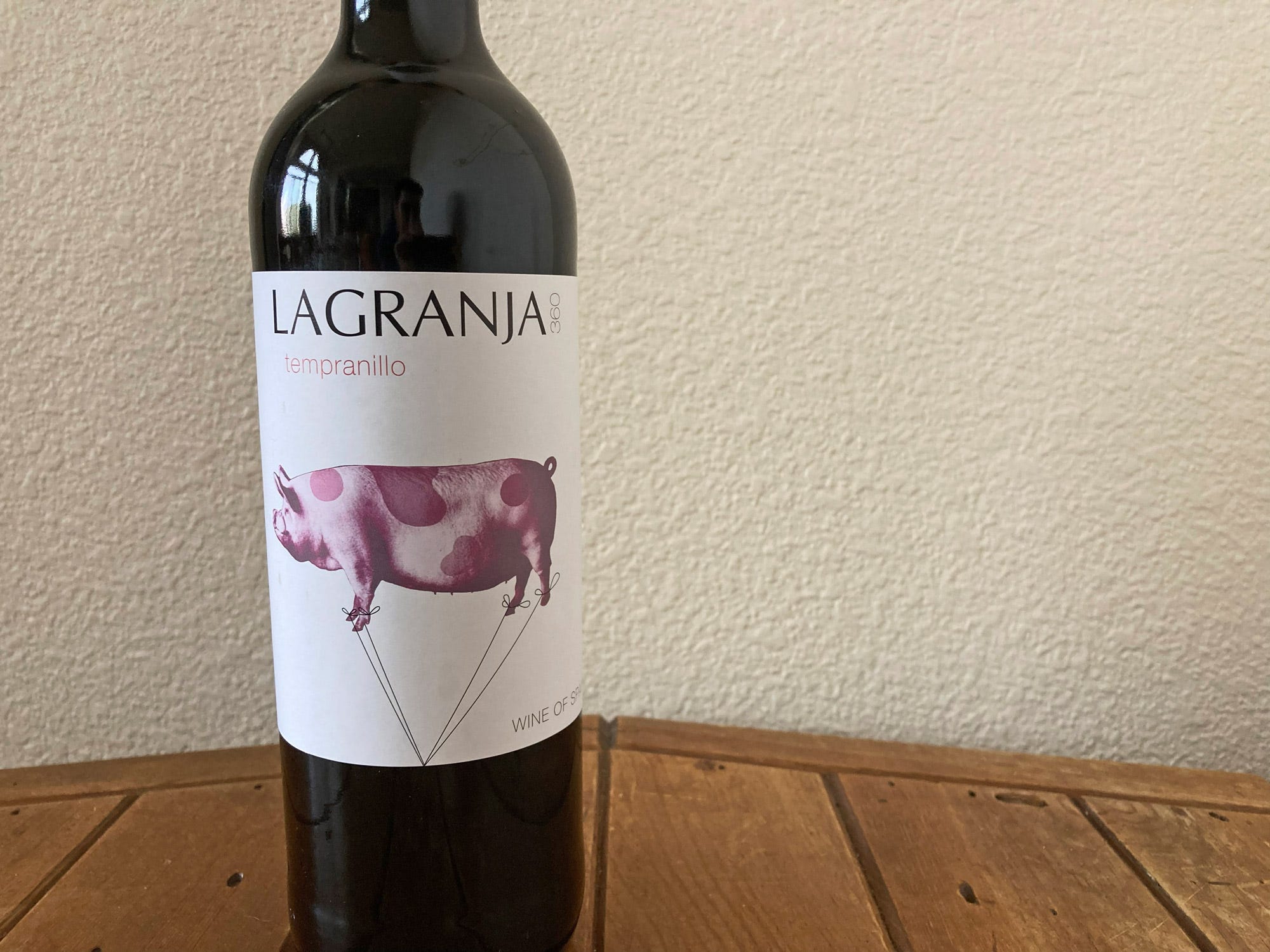
Getting your food spending down below your local average is both an indicator of your growing skill at deriving pleasure from life and an instrumentally beneficial practice in its own right. As with all spending, the less you require for happiness, the greater your resilience and flexibility: cheap eating is part of cheap living, and cheap living is the pathway to financial security, more flexible and enjoyable employment, and immunity from the terrible stressor known as Money Problems.
5. The lack of health is painful—eat for health.
Saving money is one valuable effect of skillful eating. Another is improved health. If you aren’t in good health, you will experience pain. This is a bad state and you should avoid it.
For those capable of reasoning, the healthy condition of the body and a dependable confidence in keeping it contain the highest and most infallible joy. (Usener fragment 68)
The world of nutrition is home to a huge amount of marketing and superstition, but some things are uncontested. Fortunately, the most important elements of healthy eating are entirely compatible with frugality: eat real food, and don’t eat too much. Everyone agrees that excessive sugar, alcohol, and processed foods are not good for you. Everyone knows that eating too much makes you fat, which strains your heart, stresses your joints, reduces your activity, and generally makes life less pleasant. Many people struggle with high blood sugar, high cholesterol, and high blood pressure—simply eating less helps with all of these. Food that increases your long-term pain is not a prudent choice.
I’m no certified health advisor, but I think that Epicurus and your doctor would be in perfect agreement on such matters.
6. It’s OK to eat animals.
Epicureans do not think there is any moral obligation to vegetarianism. According to Epicurean ideas of justice, there are no intrinsic rights—the legal rights of humans come about through contract and rational agreement:
For the animals that are unable to form agreements not to harm one another and not to be harmed, nothing was either just or unjust. (Principal Doctrine 32)
A report drawn from Hermarchus, Epicurus’ immediate successor, which is preserved in the early pro-vegetarianism tract On Abstinence from Killing Animals by Porphry, elaborates further. According to the Epicureans, it is perfectly reasonable for us to kill both dangerous predators and the traditional livestock animals:
For there is not, one must say, any such animal among those which the law allows us kill, which would not become harmful to us if allowed to become excessively abundant, even while it produces some benefits to us while kept in its present number. Sheep, cattle, and all such animals, when moderate in number, are helpful in meeting the necessities of life. But if they were to multiply excessively and far exceed the appropriate population, they would become harmful to us, either by turning to resist us by force—which they are by nature well capable of—or simply through their consumption of the food imparted to us by the earth. It is for this reason that it was not forbidden to kill these animals either, so that a number advantageous for our needs and easily mastered might remain. (Of Abstinence 11)
You might say that the biological theory is a little weak here (unculled sheep are not likely to take over the world). But the underlying aim of Epicurean animal husbandry is clear: human benefit. As an essentially egoistic philosophy, we do not see any fundamental problem with eating animals.
This isn’t to say that Epicurus had any particular commitment to meat-eating. Rack of lamb is not essential to happiness. Beans and tofu are often cheaper protein sources. If a society collectively decided that it would like to enforce certain animal welfare standards because gratuitous cruelty is detrimental to human character, or to come up with some kind of methane tax that raised the price of beef for climate change reasons, I don’t think Epicureans would say such things are inherently beyond the scope of reasonable policy aimed at long-term human well-being. (Overall, we don’t get too upset about the existence of legal requirements one way or the other—the path of lowest friction is to follow the rules, which rarely affect our fundamental happiness.)
In short: both carnivores and vegetarians are welcome in the Garden.
7. Your dining companions are more important than your food.
Eat simply, cheaply, and healthily. Enjoy your food, including meat if you wish. One of the most pleasure-boosting pieces of Epicurean dining advice, however, doesn’t have anything to do with the food itself. What is even more important is the company you dine in:
I must draw on Epicurus. He says “You must think first about whom you eat and drink with, rather than what you eat and drink. For to eat without a friend is to live the life of a lion or wolf.” (Seneca, Epistles 19.10)
The Epicureans were famous for their feasts and friendships. Diogenes Laertius tells us of their numerous gatherings, most notably for the Twentieth of every month (the eikas) in memory of Epicurus and Metrodorus (10.18). One charming epigram from Philodemus, the leader of the 1st century BCE Epicurean community on the Bay of Naples, conveys an invitation to one of these Twentieth feasts:
Tomorrow, friend Piso, your musical comrade drags you to his modest digs at three in the afternoon,
Feeding you at your annual visit to the Twentieth. If you will miss udders and Bromian wine mis en bouteilles in Chios,
Yet you will see faithful comrades, yet you will hear things far sweeter than the land of the Phaeacians…
(Epigram 27, translated by David Sider)
This doesn’t mean you need to host or attend big, lively gatherings every night. But it does shine a light on an important truth about the pleasure of eating: good companionship adds more enjoyment than culinary sophistication. Avoid eating alone, phone in hand or TV before you. Conversation is better.
Recap
If you would like to not merely read Epicurean philosophy, but practice it, then your eating habits should look something like this:
Eat simply.
Sometimes, eat very simply.
Enjoy your food.
Spend less money than normal people.
Don’t eat junk; don’t eat too much.
Eat meat if you want to.
Don’t eat alone.
The rules aren’t complicated. They have a good deal of flexibility. They save money and improve health. And every one of them shares the same underlying goal: they increase the pleasure of living.
In the same vein are Letter to Menoeceus 130-132, Vatican Saying 33, and Seneca Epistles 21.7.
Nice work. I'm glad you emphasized frugality and not that the ancient Epicureans lived ONLY on bread, water, and cheese (as often ends up being the popular interpretation).
As an aside: You mention the Tenth of Gamelion as Epicurus' birthday. I wanted to share a 12-page article I wrote that (to me) establishes his birthday on the 20th of Gamelion, and thus made the 20th of each month dedicated to its celebration: https://archive.org/embed/epicuruss-birthday-the-7th-10th-or-20th-of-gamelion
Keep up the good work!